
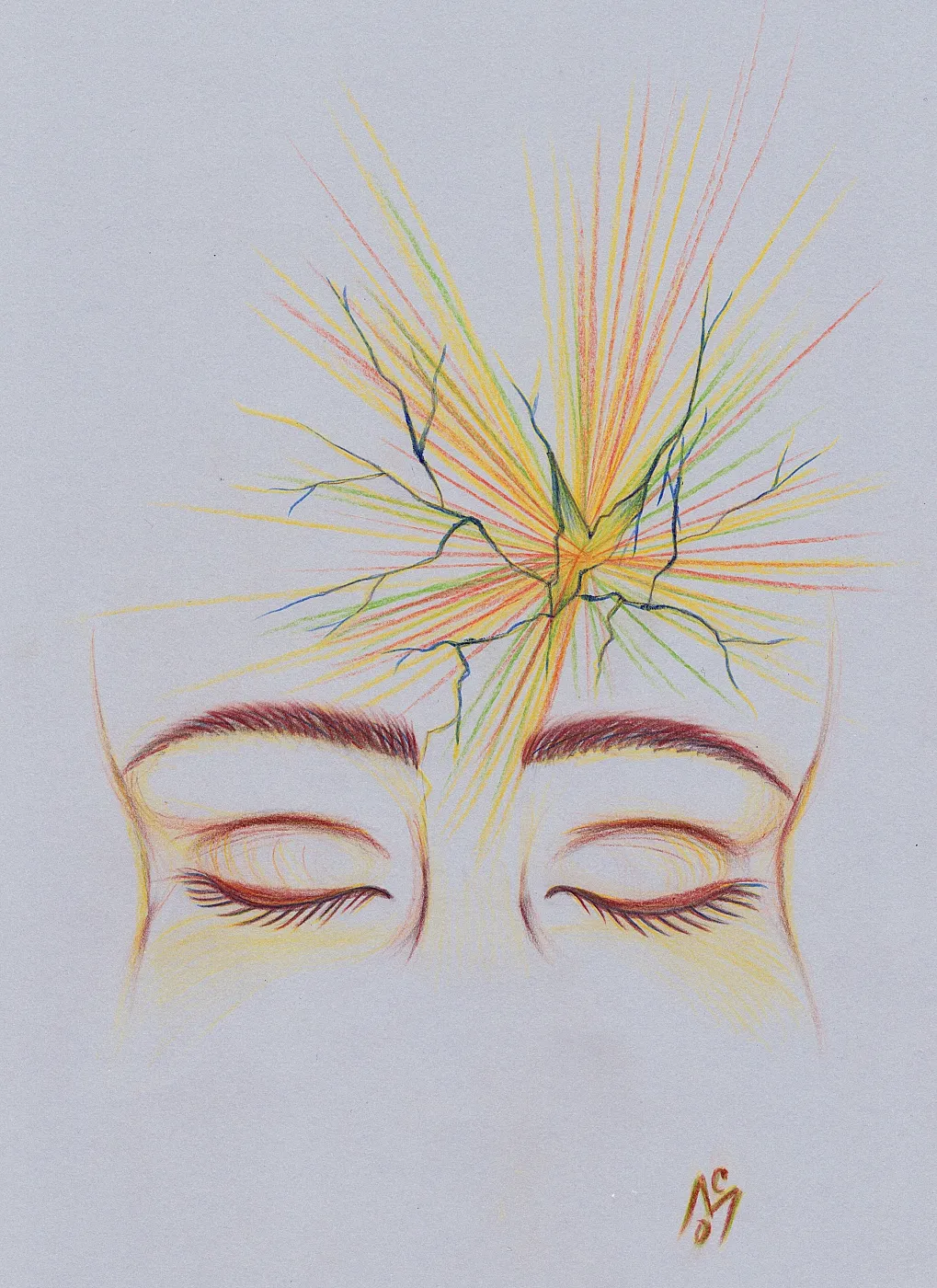

The Poetics of the Unperfect
Exhibition dates: 23 Feb 2026 – 06 Mar 2026
Location: Online Exhibition
Curator
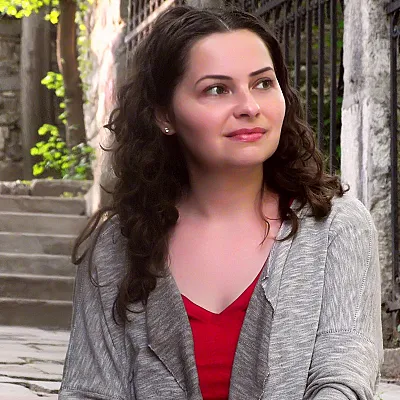 Cosmina M Oltean
Exhibition information
There is a kind of beauty that escapes all canons — a beauty that lives in the trembling line, in the hesitant gesture, in the visible traces of searching. In art, imperfection is not a flaw but a signature — a testimony of human presence, of the subjective gaze that reshapes the world through its own sensibility.
Every artist carries within a constellation of signs, rhythms, tensions, and silences. From the meeting of these inner worlds emerge singular forms — expressions of how each of us understands and reinterprets reality. Artistic practice thus becomes a space of freedom, where theory dissolves into gesture, and concept merges with emotion.
Beauty, then, is no longer an external ideal but an inner experience — the result of an intimate relation between the artwork and the one who beholds it, between intention and perception. Each piece speaks not only of the one who created it, but also of the one who contemplates it. In this silent exchange, imperfection becomes a bridge: an opening toward authenticity, a proof that art is alive — unfinished, ever-evolving, and profoundly human.
From the curator:
I am deeply grateful for every work submitted to the exhibition and for the dialogue that emerged through the selection process. Each artwork brought its own perspective on the theme, revealing how differently artists interpret imperfection - not as a flaw to be corrected, but as a poetic condition of existence. I would like to mention that the use of the term ’unperfect’, rather than ’imperfect’, in the title is intentional. While imperfect suggests a deviation from an ideal standard, unperfect proposes a more open condition - something unfinished, evolving, and free from the pressure of perfection. In this sense, the term emphasizes process, vulnerability, and the poetic potential of what remains incomplete.
The theme perhaps summarizes not only artistic practice but also the way we live. Imperfection is what introduces nuance into our experiences, what allows emotions, memories, and contradictions to coexist. In this sense, the exhibition becomes a reflection on vulnerability and authenticity: the small fractures, hesitations, and asymmetries that make both artworks and lives meaningful.
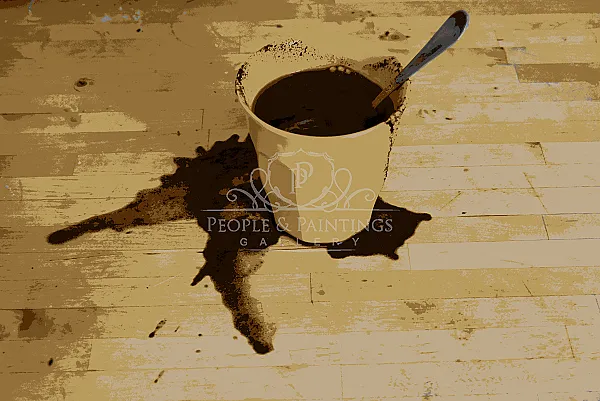
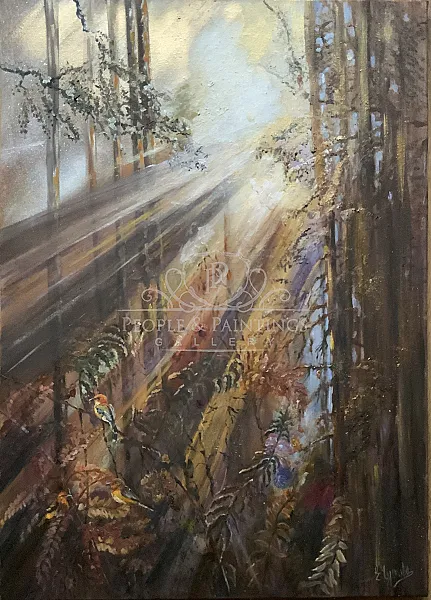
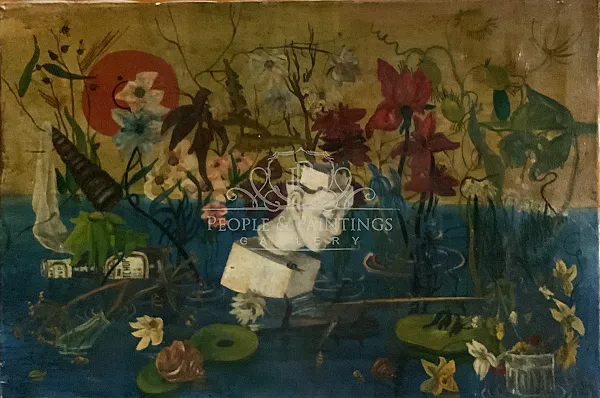
Many of the works in the exhibition approach imperfection through subtle gestures - unfinished textures, fragile forms, fragmented narratives, or unexpected materials. Others explore it through emotional states: uncertainty, introspection, tenderness, or quiet resistance. Together, these approaches suggest that imperfection is not simply a lack of completion but rather a space of possibility, where the poetic dimension of everyday life becomes visible.
Although some works received prizes, these recognitions do not diminish the strength of the other contributions. The selection process highlighted how diverse artistic voices can coexist within the same conceptual framework. Awards acknowledge certain perspectives, but the exhibition as a whole demonstrates that value in art cannot be reduced to hierarchy or competition - it resides in the dialogue between works and the experiences they generate.
What feels most meaningful about this exhibition is the sense of temporary community it created. By meeting within this shared space - artists, viewers, and curator - we allowed ourselves a pause from the whirlwind and noise of routine. The exhibition became a moment of attentiveness, where the imperfect, the fragile, and the unfinished could be contemplated with patience.
In this way, The Poetics of the Unperfect is not only an exhibition of artworks but also a reminder that art can slow down time. It offers a space where we can rediscover the poetic dimension of the imperfect moments that shape our lives - moments that often pass unnoticed but ultimately define who we are.
Cosmina M. Oltean
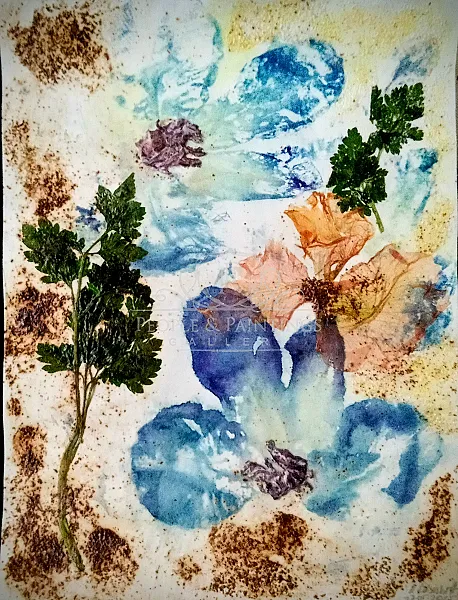
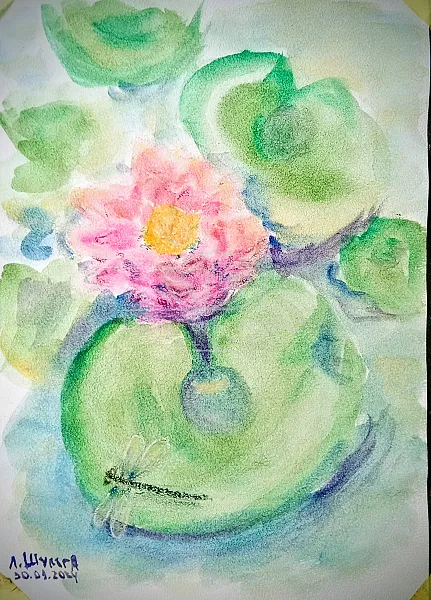
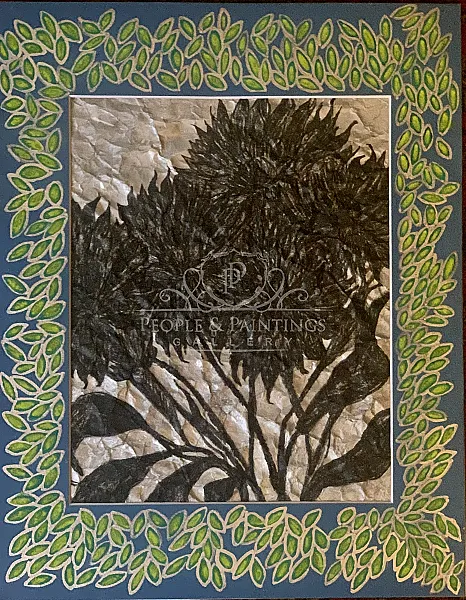
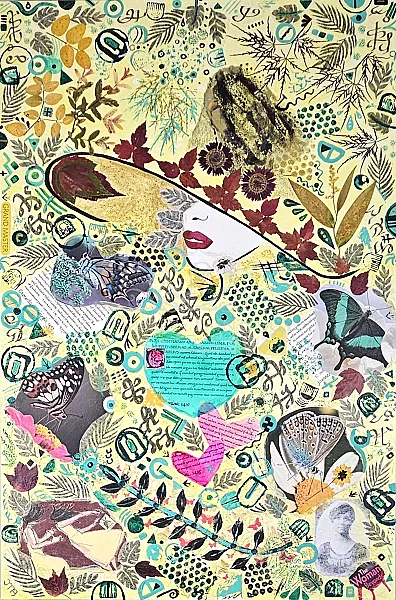
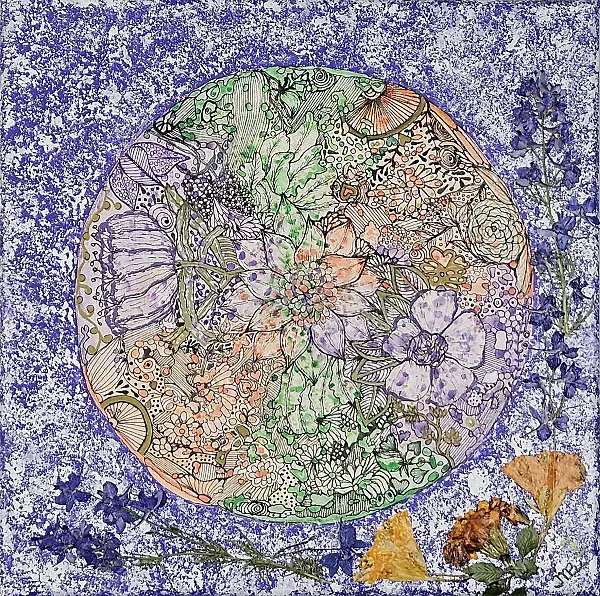
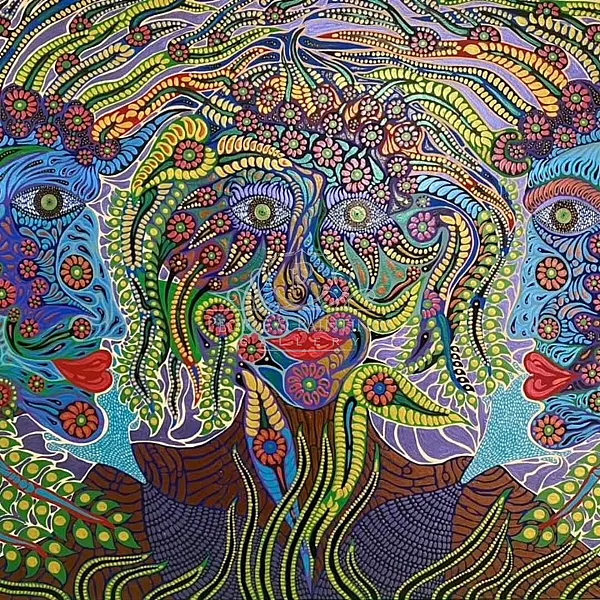
Artworks










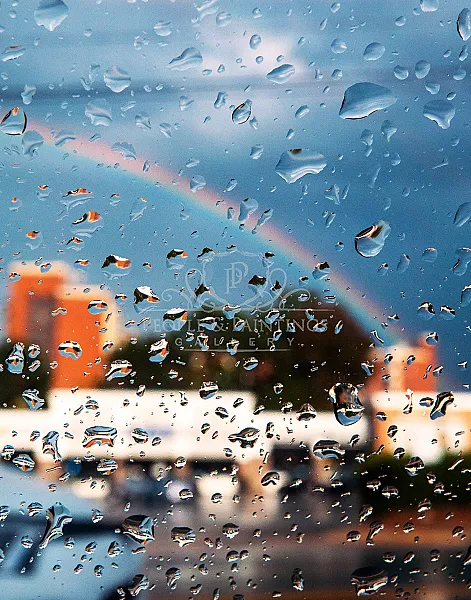

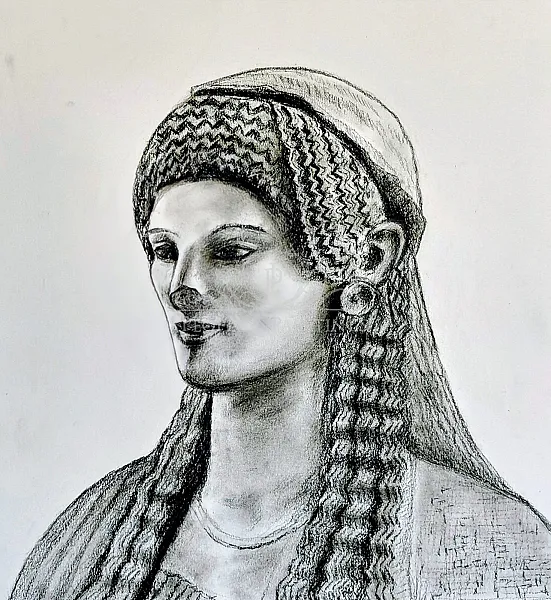

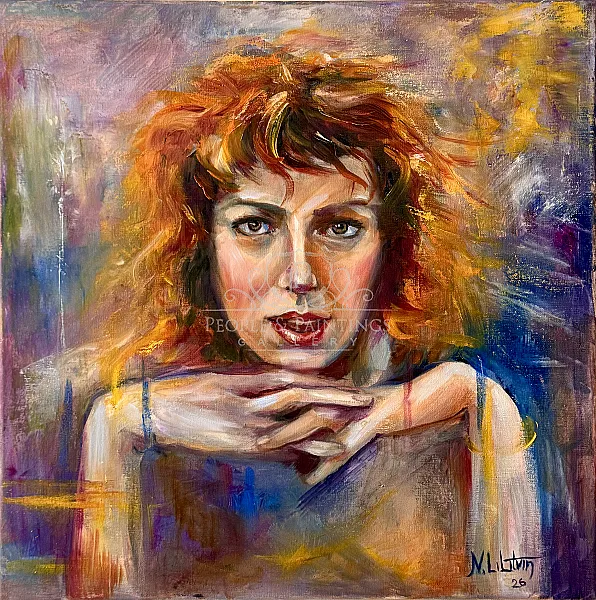

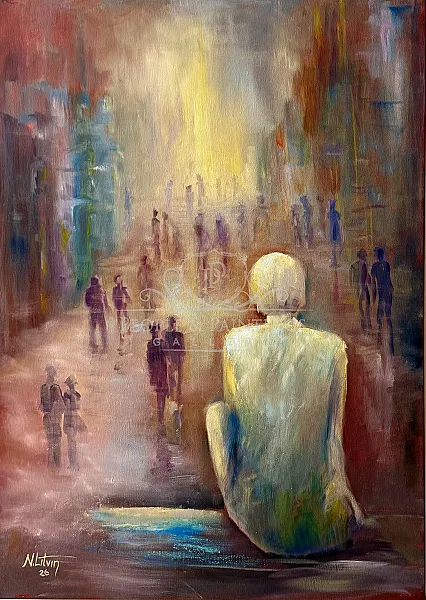





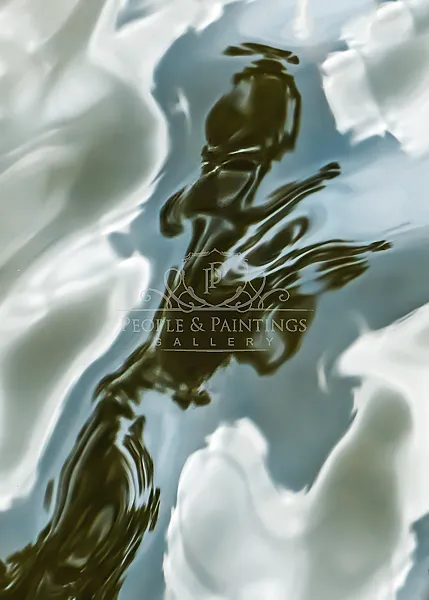

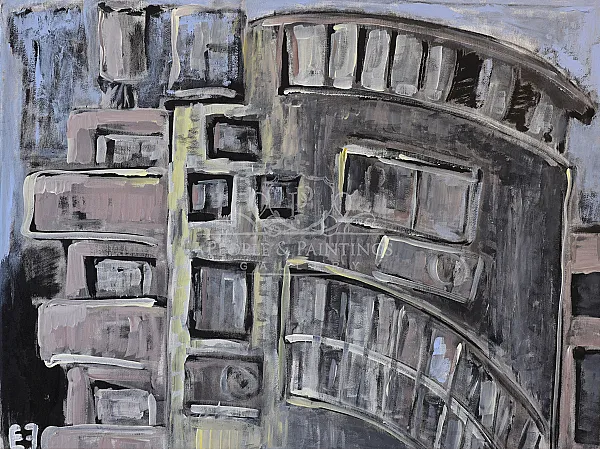

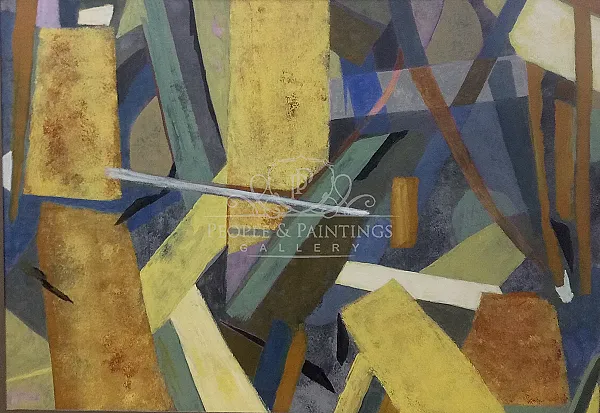

Guest book
Only signed-in members can write in the guest book. Sign in or create an account.
No comments yet — be the first to write one.